Omdia: شحنات الهواتف هبطت 20% في الربع الثالث — أسوأ ربع ثالث من 2013، وآبل الوحيدة اللي ما خسرت
Omdia: smartphone shipments fell 20% in Q3, the worst third quarter since 2013, and Apple is the only one that did not lose
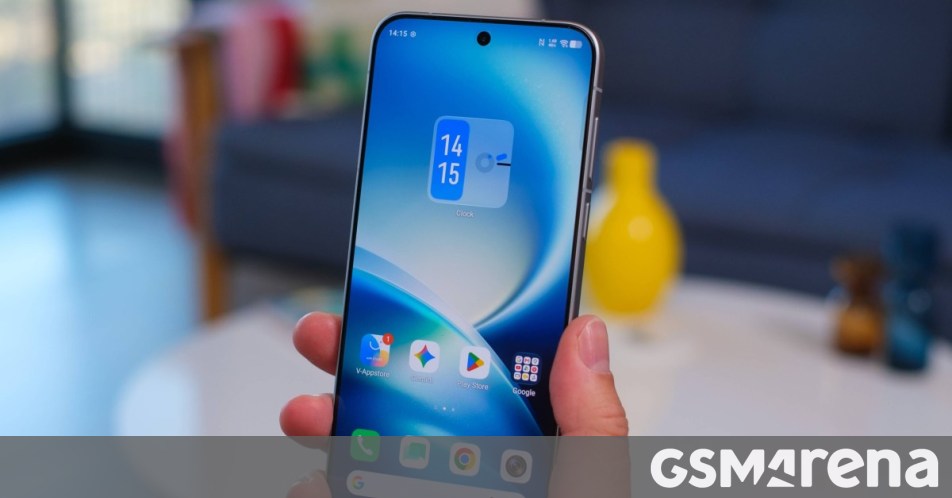 الصورة: GSMArena
الرقم اللي يلخّص 2026: 254.7 مليون هاتف ذكي شُحن عالمياً في الربع الثالث حسب Omdia، بتراجع 20% عن نفس الربع من 2025 — أقل ربع ثالث منذ 2013. السبب مو إن الناس ما تبي هواتف؛ الأسعار طلعت بسبب أزمة رقائق الذاكرة، فالشركات قصّت تشكيلاتها وعدّلت الرام والتخزين وركّزت على الأسواق المربحة.
الأرقام
| سامسونج | 57.8 مليون — −5% — حصة 23% |
|---|---|
| آبل | 56.5 مليون — ثابتة — حصة 22% |
| شاومي | 30.7 مليون — −29% — حصة 12% |
| أوبو | 23.4 مليون — −39% — حصة 9% |
| فيفو | 19.3 مليون — −33% — حصة 8% |
| الباقي | 67 مليون — −28% — حصة 26% |
| توقع Omdia | 2026 كاملة −12%، والتراجع يستمر في 2027 أبطأ |
المفارقة بنفس اليوم: سامسونج أعلنت 107.4 تريليون وون أرباح تشغيلية بالربع — أول شركة تقنية تتجاوز 100 تريليون — و106.5 تريليون منها من الرقائق والذاكرة (HBM4 وأقراص السيرفرات)، بينما قسم الهواتف خسر 0.6 تريليون. نفس الشركة اللي تبيعك الهاتف تربح من غلاء الذاكرة اللي رفّع سعره.
ليش يهمك
هذا تفسير كل اللي شفناه هالشهر: S26 Ultra ارتفع $100، سامسونج قصّت إنتاج سلسلة A بنسبة 20%، وتسريبات S27 تتكلم عن 8GB رام وبداية $1,500. الشركات الصينية الأكثر تضرراً لأن ربحها على الجهاز أقل، فتوقّع تشكيلات أضيق من شاومي وأوبو وفيفو بالإمارات والسعودية في 2027 وعروض أقل بالفئة المتوسطة. وآبل بثباتها وهوامشها صارت المستفيد الأكبر من سوق ينكمش.
رأيي
سوق ينزل 20% وأرباح سامسونج تنفجر بنفس اليوم — هذي مو أزمة طلب، هذي إعادة توزيع من مشتري الهواتف إلى مصنّعي الذاكرة. نصيحتي: لو جهازك شغال ومدعوم، 2026 مو سنة الترقية. ولو مضطر، اشترِ الآن قبل جيل 2027 اللي بيجي أغلى وبرام أقل، وركّز على الفئة اللي ما راح يضحّون بها: الفلاقشيب. الفئة المتوسطة هي اللي بتدفع ثمن الأزمة أولاً.
المصادر: Omdia · GSMArena · Android Headlines · نتائج سامسونج — GSMArena
The number that sums up 2026: 254.7 million smartphones shipped worldwide in Q3 according to Omdia, down 20% from a year earlier, the lowest third quarter since 2013. Not because people stopped wanting phones; prices rose because of the memory chip crunch, so brands trimmed lineups, adjusted RAM and storage and focused on profitable markets.
The numbers
| Samsung | 57.8M, −5%, 23% share |
|---|---|
| Apple | 56.5M, flat, 22% share |
| Xiaomi | 30.7M, −29%, 12% share |
| Oppo | 23.4M, −39%, 9% share |
| vivo | 19.3M, −33%, 8% share |
| Others | 67M, −28%, 26% share |
| Omdia forecast | Full-year 2026 down 12%, declining more slowly in 2027 |
The irony landed the same day: Samsung announced KRW 107.4 trillion in quarterly operating profit, the first tech company past 100 trillion, with 106.5 trillion of it from chips and memory (HBM4 and server SSDs) while the phone division lost 0.6 trillion. The company selling you the phone profits from the memory surge that made it pricier.
Why it matters
This explains everything we saw this month: the S26 Ultra went up $100, Samsung cut Galaxy A production 20%, and S27 leaks talk about 8GB of RAM and a $1,500 start. Chinese brands are hit hardest because they earn less per device, so expect narrower Xiaomi, Oppo and vivo lineups in the UAE and Saudi Arabia in 2027 and fewer mid-range deals. Apple, flat with high margins, is the biggest beneficiary of a shrinking market.
My take
A market down 20% and Samsung’s profit exploding the same day: not a demand crisis but a transfer from phone buyers to memory makers. My advice: if your phone works and gets updates, 2026 is not the year to upgrade. If you must, buy now before the 2027 generation arrives pricier with less RAM, and focus on the tier brands will not sacrifice: flagships. The mid-range pays for this crunch first.
Sources: Omdia · GSMArena · Android Headlines · نتائج سامسونج — GSMArena