0

NewsNothingذكاء اصطناعي
Nothing’s first "AI-native" product ships in December, with no new screen
Carl Pei says Nothing’s first AI product ships next month: a "tool" with no new screen. Name, price and markets are unannounced.
0 replies1 reads
Carl Pei says Nothing’s first AI product ships next month: a "tool" with no new screen. Name, price and markets are unannounced.
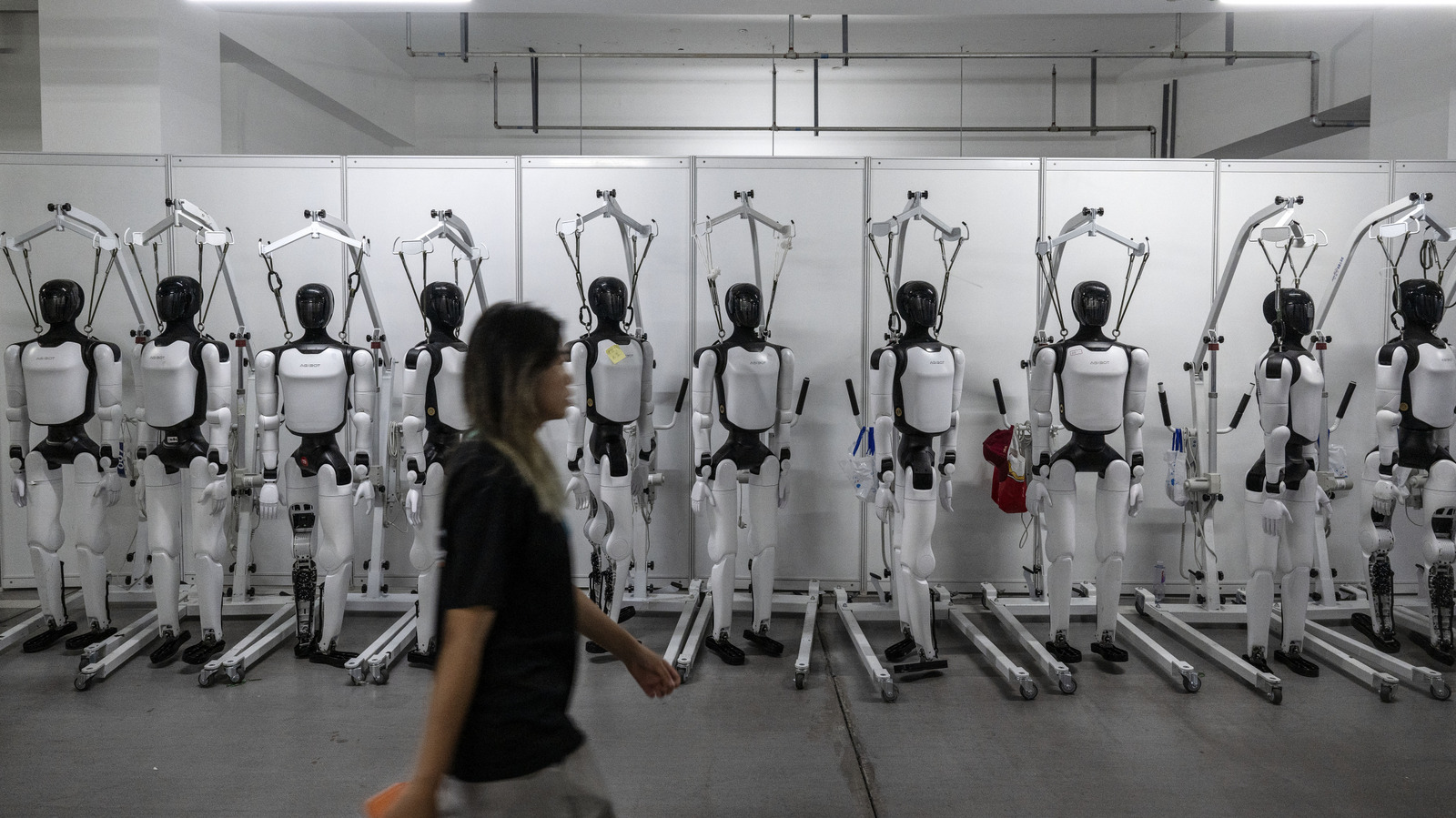
The Information (via Engadget and tbreak): Meta developed a humanoid robot prototype called Max with China’s Fourier in roughly three months: about 1.5m tall, 48kg, a display that shows facial expressions, hands for picking up small objects, and an Nvidia Jetson Thor chip. Max 2 started in September with sensors for stairs. No date, no price, no confirmation from Meta.
OpenAI started rolling out Locked chats on October 20: lock any conversation with a 4-digit PIN (or Face ID / fingerprint on mobile) and it disappears from history and search into a dedicated section. Available on Free, Go, Plus, Pro and business plans, on web and apps. Warning: resetting the PIN permanently deletes every locked chat, and locking is not encryption.
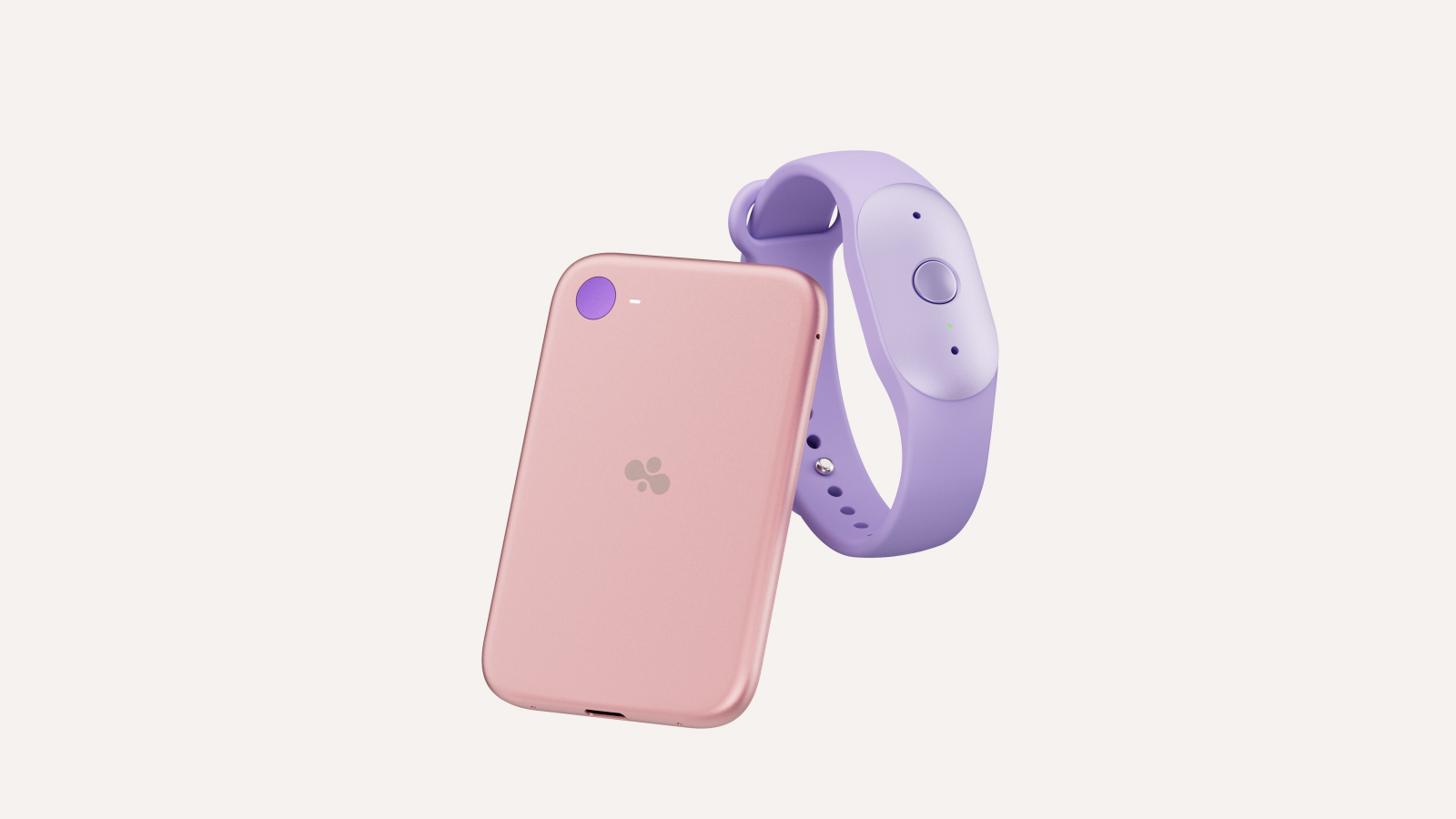
A year after buying Bee, Amazon unveiled two devices: Bee Frontier, a $74.99 bracelet/clip available now in the US, and Bee Eclipse, a $99.99 card-sized magnet that snaps to the back of a phone, due "soon". They summarise conversations, suggest tasks and connect to Alexa+ and Amazon.com. No word on the Gulf.
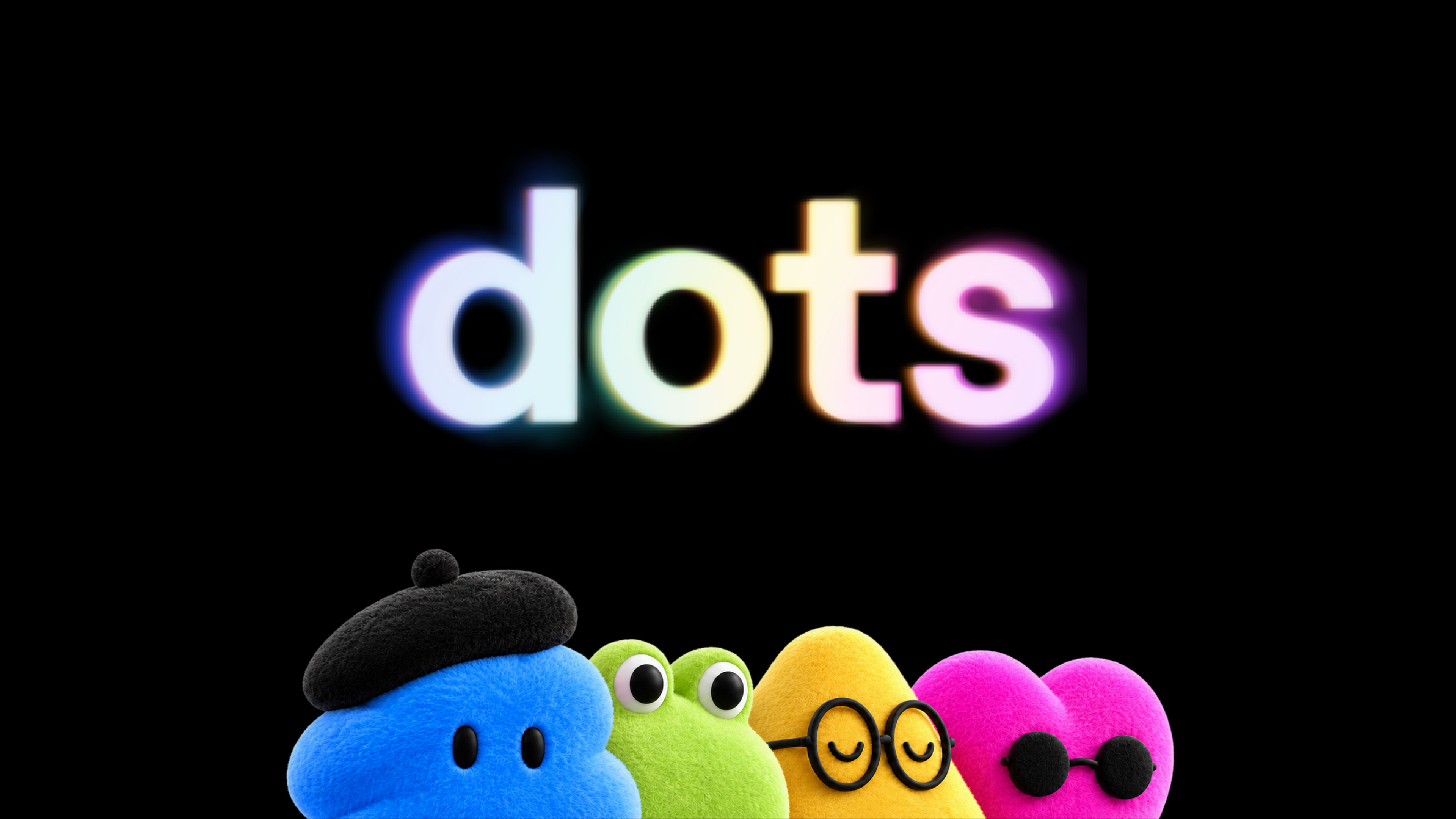
OpenAI announced "Dots": always-on agents, each with its own cloud computer and browser, running on GPT-6 Astra, connected to 4,000+ apps, reporting back in ChatGPT, Slack or Teams. The first Dot is included in Pro, Business Premium and Enterprise plans; the rollout started September 29 in "eligible markets".
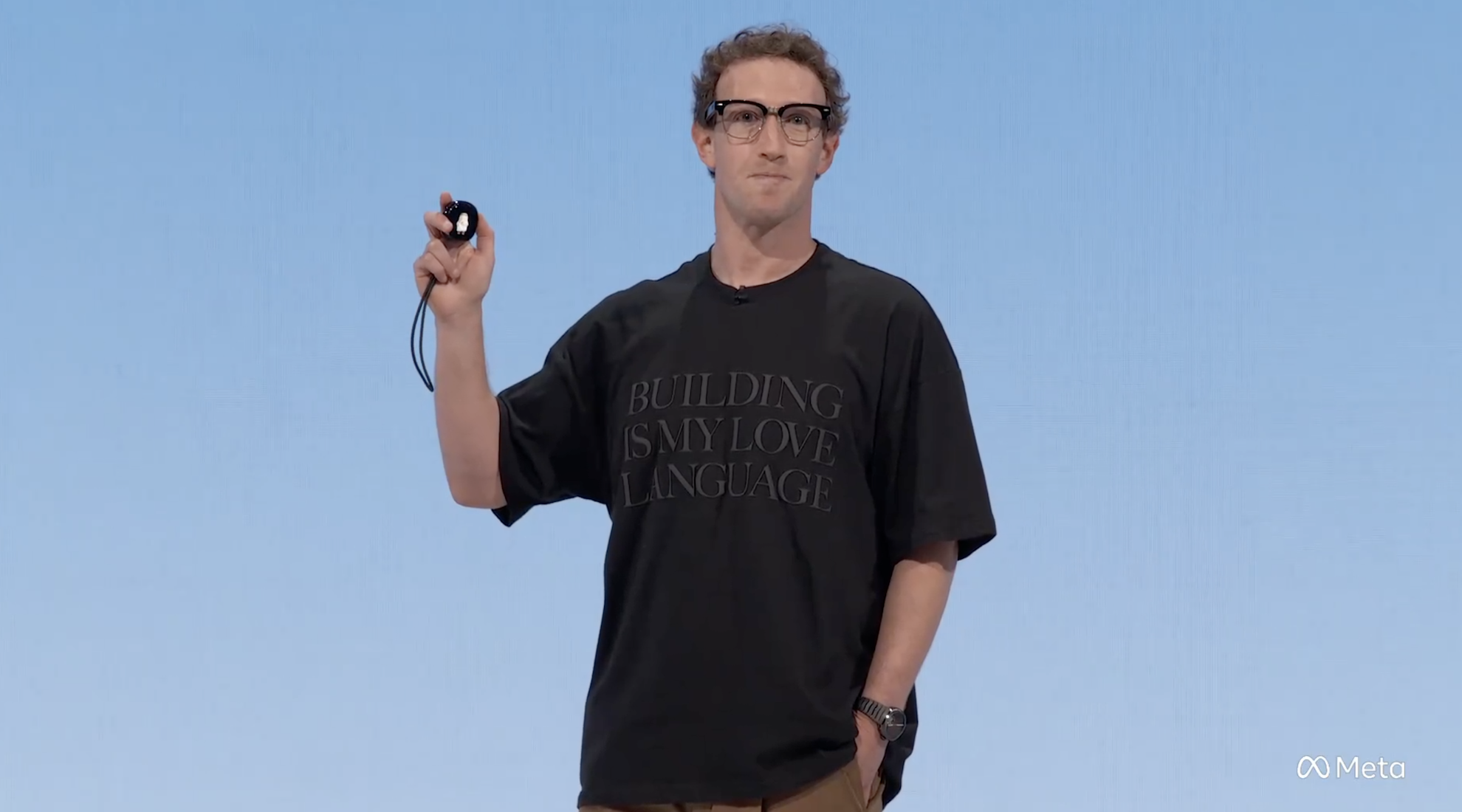
The "one more thing" at Meta Connect was a tiny device called Muse Charm: a small screen with a cartoon character, a fingerprint sensor in the corner, and a lanyard so you can talk to the Muse AI agent without touching your phone. Millennials saw it and said: welcome back, Tamagotchi. No price yet; shipping before the end of the year.
Xi Jinping's first White House visit in 11 years produced eight outcomes. For tech, the ones that matter: a formal AI dialogue with a next round in November and an incident hotline between the two countries. Xi's key line: "We hope Chinese companies receive fair treatment in the United States." What was agreed — and what was never mentioned.