ميتا بنت روبوت منزلي اسمه Max في ثلاثة أشهر مع شركة صينية — والنسخة الثانية قيد التطوير (تقرير)
Meta built a household robot called Max in three months with a Chinese partner, and a second version is already in the works (report)
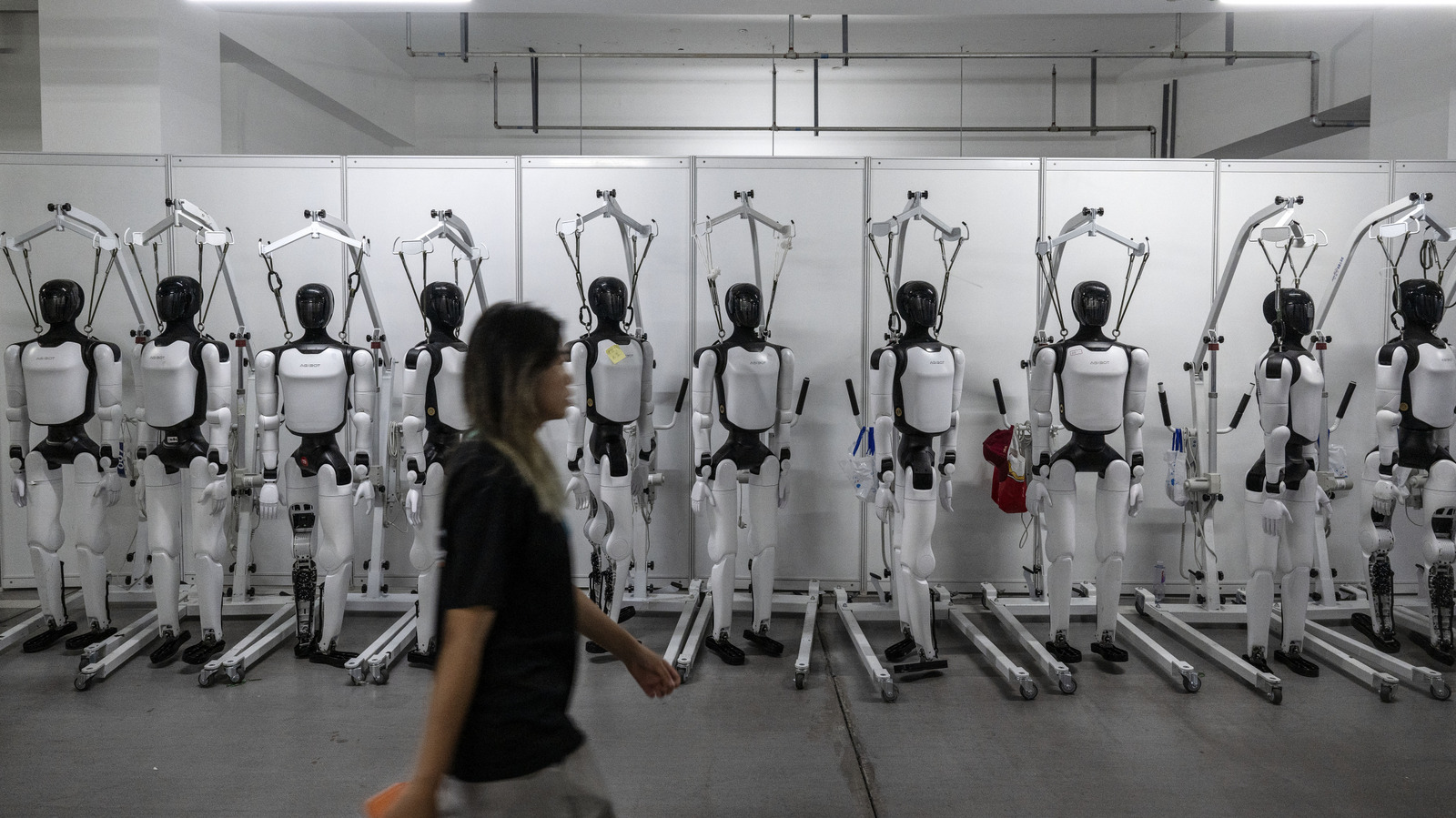 الصورة: Kevin Frayer/Getty Images عبر Engadget
ميتا ما تبي تكتفي بالنظارات. تقرير من The Information (نقلته Engadget يوم ١ نوفمبر وtbreak الإماراتي بنفس اليوم) يقول إن ميتا بنت نموذجاً أولياً لروبوت بشري الشكل اسمه الداخلي Max، بالتعاون مع شركة الروبوتات الصينية Fourier، وخلصته خلال نحو ثلاثة أشهر. ميتا ما أكدت التقرير، وكل التفاصيل من مصادر الصحيفة.
وش نعرف عن Max
| الشكل | روبوت بشري الشكل بطول نحو ١٫٥ متر ووزن ١٠٦ رطل (نحو ٤٨ كيلو) |
|---|---|
| الوجه | شاشة تعرض تعابير وجه، ومكبّر صوت مدمج |
| اليدان | مصممتان لالتقاط الأشياء الصغيرة — الهدف المعلن سابقاً: الأعمال المنزلية |
| المعالج | Nvidia Jetson Thor |
| الشريك | Fourier الصينية (صانعة روبوتات GR-1 وGR-2) |
| Max 2 | بدأ العمل عليه في سبتمبر: جذع ويدان معاد تصميمهما، بروجكتر، ومستشعرات إضافية لصعود الدرج |
| الإطلاق والسعر | لا موعد لنسخة تجارية ولا سعر — نموذج أولي فقط |
الخلفية: بلومبرغ كشفت العام الماضي إن ميتا أسست فريق عتاد روبوتات داخل Reality Labs هدفه الأعمال المنزلية، وميتا استحوذت هذي السنة على شركة ناشئة متخصصة بذكاء الروبوتات. يعني Max هو أول ثمرة ملموسة لهذا المسار.
ليش يهمك
سباق الروبوتات المنزلية صار سباق شركات الهواتف والمنصات: تسلا بـ Optimus، آبل تدرس روبوت طاولة حسب التقارير، سامسونج عندها Ballie، والآن ميتا. بالنسبة للخليج، أي روبوت منزلي بسعر معقول بيلقى طلباً فورياً في بيوت تعتمد على العمالة المنزلية وتواجه تكاليفها المتزايدة، وتجارب الروبوتات في الإمارات (شرطة دبي، المتاحف، المطاعم) تخلي السوق هنا من أول الأسواق اللي بتستقبله. بس هذا كله بعيد — الكلام عن نموذج أولي بلا موعد.
رأيي
الرقم المهم مو ١٫٥ متر ولا ٤٨ كيلو، بل «ثلاثة أشهر». ميتا ما بنت الروبوت، بل اشترت جسداً جاهزاً من Fourier وركّبت عليه ذكاءها، وهذا بالضبط نفس اللي سوّته مع نظارات Ray-Ban: الشريك يصنع، وميتا تحط البرنامج والتوزيع. هذي الاستراتيجية نجحت بالنظارات وقد تنجح هنا. لكن الاعتماد على شريك صيني لمنتج بيدخل غرف نوم الناس بكاميرات ومايكات سيواجه أسئلة سياسية وخصوصية قبل ما يواجه أسئلة تقنية — وفي أمريكا بالذات.
المصادر: Engadget · The Information · tbreak
Meta does not want to stop at glasses. A report from The Information (carried by Engadget on November 1 and by UAE outlet tbreak the same day) says Meta built a humanoid robot prototype internally named Max, together with Chinese robotics firm Fourier, and finished it in roughly three months. Meta has not confirmed the report; every detail comes from the publication’s sources.
What we know about Max
| Form | Humanoid, about 1.5m tall and 106 lb (roughly 48kg) |
|---|---|
| Face | A display that shows facial expressions, plus a built-in speaker |
| Hands | Designed to pick up small objects; the previously reported goal is household chores |
| Chip | Nvidia Jetson Thor |
| Partner | China’s Fourier (maker of the GR-1 and GR-2 robots) |
| Max 2 | Work began in September: redesigned torso and hands, a projector, and extra sensors for stairs |
| Launch and price | No date for a commercial version and no price; prototype only |
Background: Bloomberg revealed last year that Meta had set up a robotics hardware team inside Reality Labs with household chores as the goal, and Meta acquired a robot-AI startup earlier this year. Max is the first tangible result of that path.
Why it matters
The home-robot race has become a race between phone and platform companies: Tesla with Optimus, Apple reportedly studying a tabletop robot, Samsung with Ballie, and now Meta. For the Gulf, any household robot at a sane price would find immediate demand in homes that rely on domestic help and face its rising cost, and the UAE’s appetite for robot pilots (Dubai Police, museums, restaurants) makes this one of the first markets that would take it. But all of that is far off; this is a prototype with no date.
My take
The important number is not 1.5m or 48kg, it is «three months». Meta did not build the robot; it bought a ready body from Fourier and put its intelligence on top, exactly the playbook it used with Ray-Ban: the partner manufactures, Meta supplies software and distribution. That strategy worked for glasses and could work here. But relying on a Chinese partner for a product that will walk into people’s bedrooms with cameras and microphones will face political and privacy questions before it faces technical ones, in the US above all.
Sources: Engadget · The Information · tbreak