شي في البيت الأبيض: حوار "ذكاء فائق" بين أمريكا والصين، مطالبة بـ"معاملة عادلة" للشركات الصينية — والرقائق ما انذكرت
Xi at the White House: a US–China "Super Intelligence" dialogue, a call for "fair treatment" of Chinese companies — and not a word on chips
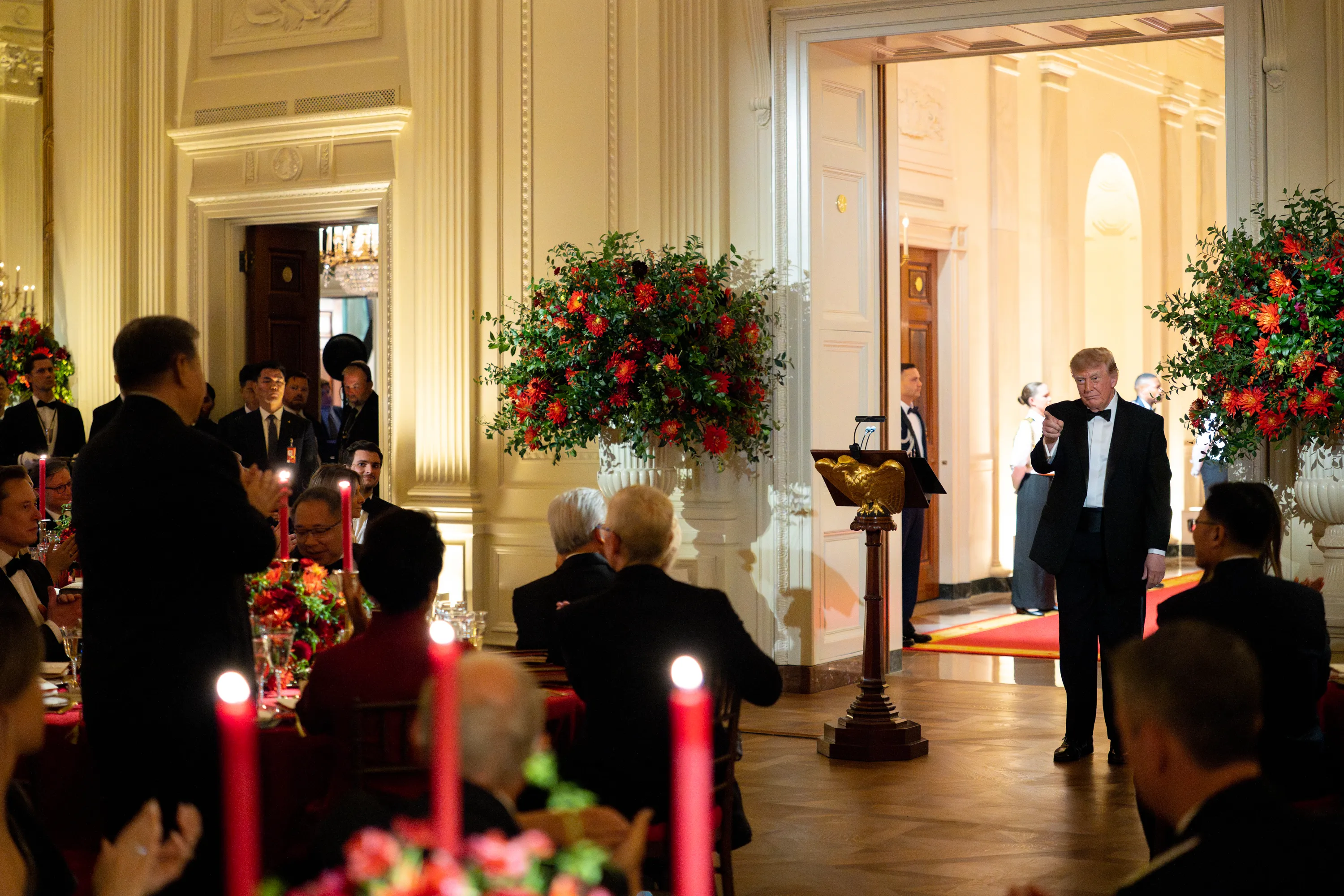
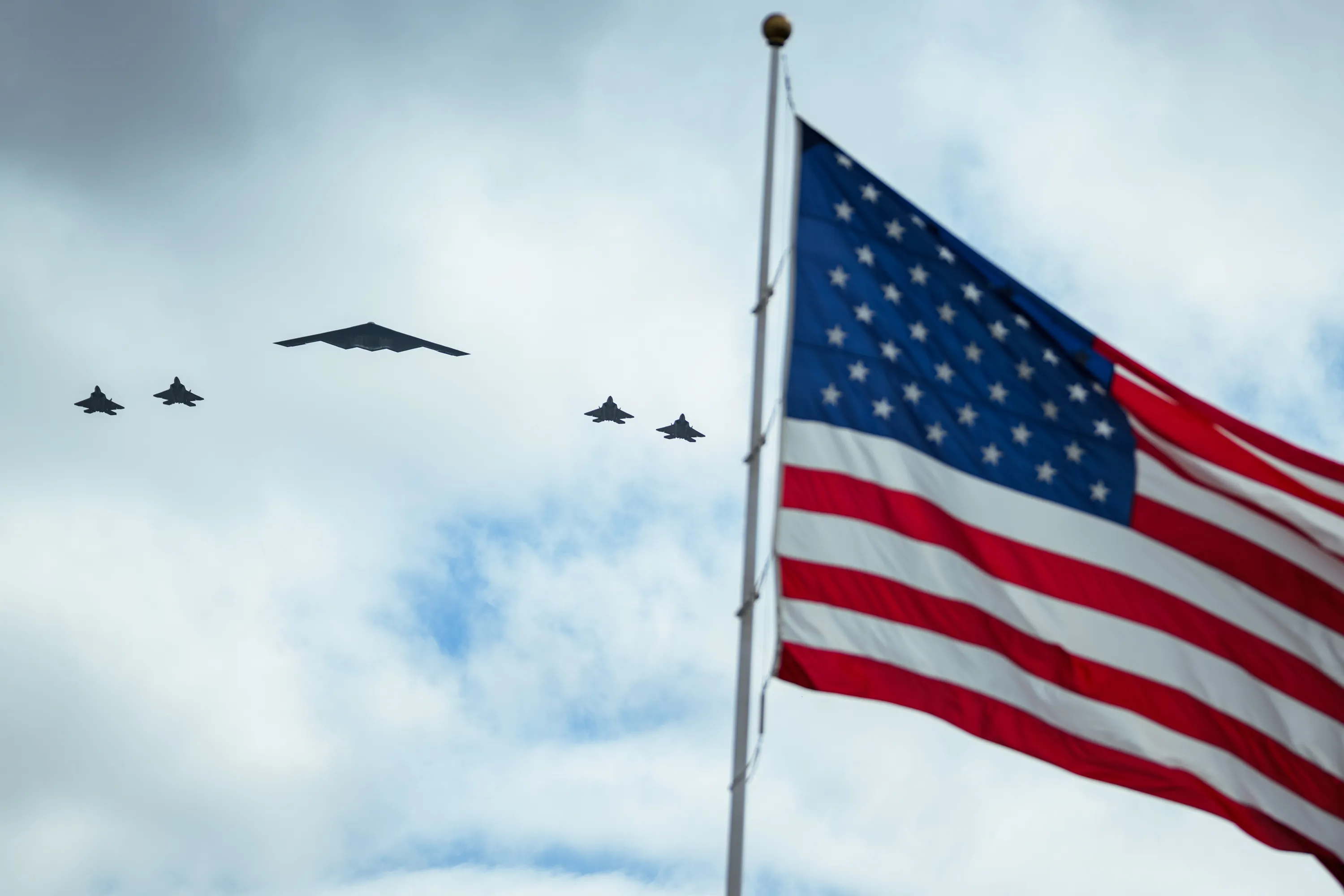 الصورة: البيت الأبيض
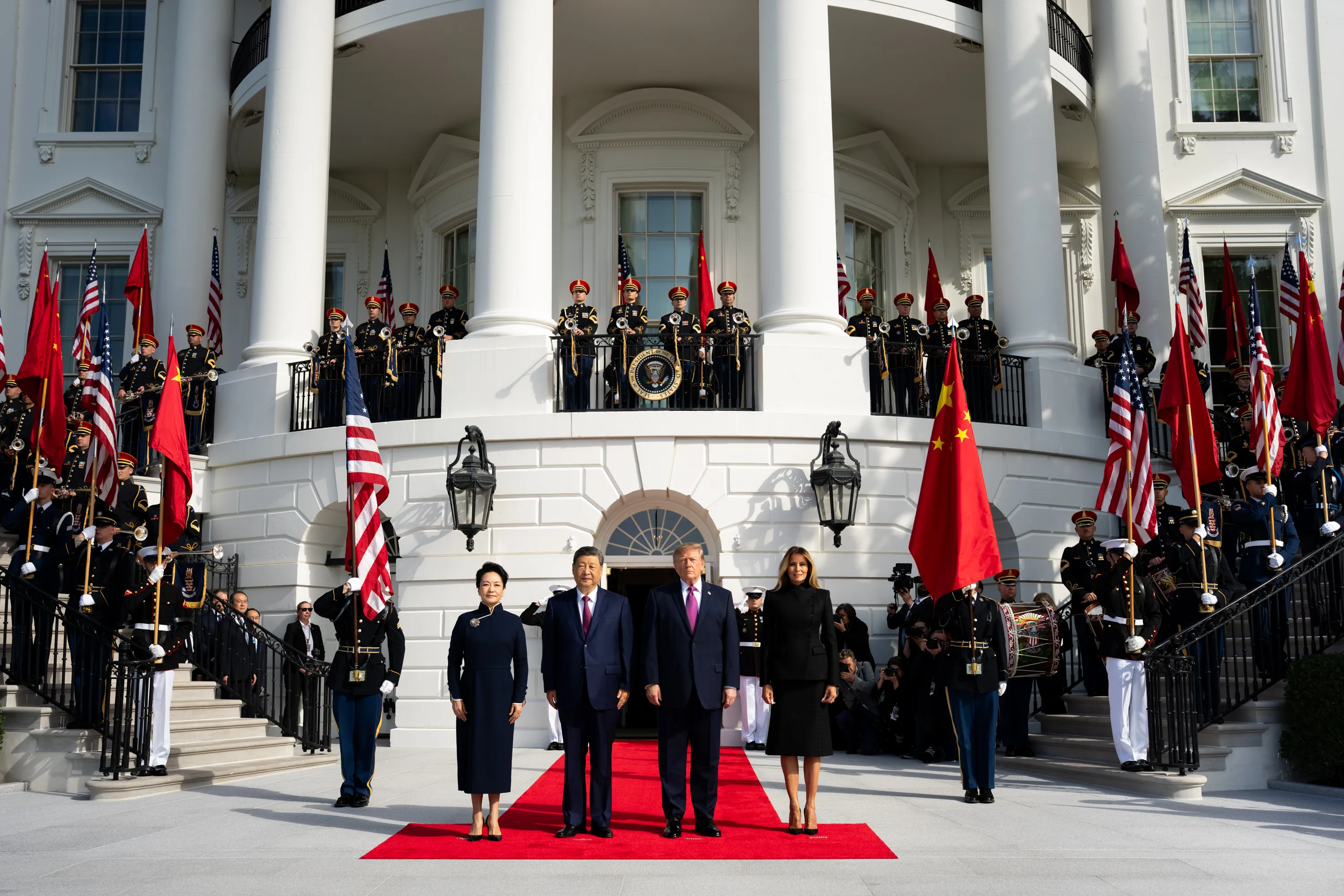
يومين في واشنطن، ٢٤ و٢٥ سبتمبر: استقبال رسمي، عشاء دولة، وجلسة مباحثات. آخر مرة دخل فيها شي جين بينغ البيت الأبيض كانت ٢٠١٥. هذا المقال مو عن السياسة — هو عن اللي يهمنا كمستخدمين ومشترين ومتابعين للشركات الصينية: الذكاء الاصطناعي، الرقائق، ومصير الشركات الصينية بالسوق الأمريكي.
الجملة اللي تهم الشركات الصينية
بمراسم الاستقبال، وقبل أي مباحثات، قال شي: "نتمنى إن الشركات الصينية تلقى معاملة عادلة في الولايات المتحدة"، وربطها برسالة "الباب مفتوح" للاستثمار الأمريكي بالصين. وترامب من جهته تكلم عن "علاقة تجارية أكثر توازناً" ووصول أوسع للمزارعين الأمريكان.
الفرق بين البيانين واضح: بيان الصين وصف العلاقة الجديدة بأنها "بنّاءة ومستقرة" و"قائمة على الاحترام والإنصاف والمساواة" — عبارة الإنصاف هذي أضافتها بكين وما جات بنسخة البيت الأبيض. يعني: الصين طلبت، أمريكا ما التزمت كتابةً.
الذكاء الاصطناعي: حوار رسمي… باسم جديد
| الاسم | "حوار الذكاء الفائق" (Super Intelligence Dialogue) — البيت الأبيض تعمّد كلمة Super Intelligence بدل Artificial Intelligence |
|---|---|
| المضمون | تبادل وجهات النظر حول المخاطر والفوائد · الجولة القادمة قبل نهاية نوفمبر ٢٠٢٦ |
| قناة طوارئ | قناة اتصال ثنائية لـ"حوادث الذكاء الفائق" — أول آلية من نوعها بين البلدين |
| موقف شي | "عند الطرفين منافسة. والتعاون أكثر." — وأكّد إن الإنسان لازم يبقى مسيطراً على التقنية |
هذا مو اتفاق على تقاسم التقنية ولا على فك القيود. هو اتفاق على الكلام — بجدول زمني. ومع ذلك، بعد سنتين من انقطاع شبه كامل، وجود قناة طوارئ بين أكبر قوتين بالذكاء الاصطناعي خبر بحد ذاته.
الرقائق: الغائب الحاضر
الطاولة الرئيسية بالعشاء كان عليها رئيسا Nvidia وAMD، وبالقاعة تيم كوك وإيلون ماسك وسام ألتمان وسوندار بيتشاي — وولا رئيس تنفيذي صيني واحد. ومع كل هذا الحضور، قيود تصدير الرقائق ما انذكرت بأي بيان رسمي، لا من واشنطن ولا من بكين. الممثل التجاري الأمريكي جيمسون غرير قالها صراحة: القيود اللي تُعتبر "أمناً قومياً" خارج طاولة المفاوضات. حظر شريحة Nvidia H20 للصين باقٍ.
القراءة: أمريكا تبيع الفول السوداني والفحم، ما تبيع الحوسبة. والصين — اللي أعلنت موجة رقائق محلية قبل القمة بأسابيع (هواوي، علي بابا، Cambricon) — جات برسالة "ما تقدرون تخنقونا". الطرفان اختارا ما يختبرون الرسالة.
النتائج الثمان — بسرعة
| التجارة | تخفيضات جمركية على $30 مليار من "السلع غير الحساسة" بكل اتجاه · تفعيل "مجلس التجارة" و"مجلس الاستثمار" الثنائيين · تمديد الهدنة |
|---|---|
| الذكاء الفائق | حوار رسمي + قناة حوادث · الجولة القادمة نوفمبر |
| العسكري | مذكرة تفاهم لتقوية الاتصال وقت الأزمات (قيد الإنهاء) |
| القمم | ترامب يحضر APEC في شنجن (نوفمبر) · شي يحضر G20 في ميامي (ديسمبر) |
| المعادن النادرة | "استمرار العمل على مخاوف أمريكا" — بدون التزام محدد (وردت بنسخة واشنطن فقط) |
| الباقي | فحم أمريكي (١٠ مليون طن سنوياً ٢٠٢٧–٢٠٢٨) · ضوابط على سلائف الفنتانيل · باندا لحديقة أتلانتا · إيران والممرات المائية |
وش يعني هذا لنا بالخليج
١ — الشركات الصينية بتظل تطلق من أوروبا والخليج مو من أمريكا. "المعاملة العادلة" طُلبت وما وُعد بها؛ يعني هواوي وشاومي وهونر وDJI بتكمّل بنفس الخريطة: الصين ← أوروبا ← الخليج. أسواقنا تكسب من هالانسداد، وهذا اللي شفناه بـ IFA وميونخ الشهر الماضي.
٢ — سباق الرقائق يتسارع مو يهدأ. بدون تخفيف القيود، الشريحة الصينية (XRING من شاومي، Kirin من هواوي، Ascend للذكاء الاصطناعي) صارت ضرورة مو خيار. الأجهزة اللي بنراجعها بـ ٢٠٢٧ بتكون أكثر "صينية من الداخل".
٣ — الذكاء الاصطناعي على الجهاز يكسب. لما الحوسبة السحابية الأمريكية مقيّدة على الصين، الشركات الصينية تدفع كل شي للمعالج المحلي بالتلفون. وهذا بالضبط الاتجاه اللي يفيدنا كمستخدمين: خصوصية أعلى، وأقل اعتماد على خوادم بعيدة.
الخلاصة
قمة "ما تنفجر" أفضل من قمة تنفجر — لكن للتقنية، النتيجة الحقيقية هي اللي ما انكتب: الرقائق باقية محاصرة، والشركات الصينية باقية برّا السوق الأمريكي. حوار نوفمبر هو الاختبار الأول لجديّة "الذكاء الفائق" كملف مشترك. إذا طلع منه شي ملموس، بنكتب عنه هنا.
المصادر: White House fact sheet · White House · CNBC · Seoul Economic Daily · Seoul Economic Daily (8 outcomes) · Korea Times
Two days in Washington, September 24–25: a state arrival, a state dinner, and a round of talks. The last time Xi Jinping walked into the White House was 2015. This is not a politics piece — it is about what matters to us as users, buyers and followers of Chinese brands: AI, chips, and the fate of Chinese companies in the US market.
The line that matters for Chinese companies
At the arrival ceremony, before any talks, Xi said: "We hope Chinese companies receive fair treatment in the United States", pairing it with an "open door" message for American investment in China. Trump, for his part, spoke of "a more balanced trade relationship" and wider access for American farmers.
The gap between the two readouts is telling: Beijing described the new relationship as "constructive and stable" and "based on respect, fairness and equality" — that fairness phrase was added by China and does not appear in the White House version. In other words: China asked, America did not commit in writing.
AI: a formal dialogue… under a new name
| Name | "Super Intelligence (SI) Dialogue" — the White House deliberately used Super Intelligence instead of Artificial Intelligence |
|---|---|
| Substance | Exchange views on risks and benefits · next round by the end of November 2026 |
| Hotline | A bilateral communication channel for "SI incidents" — the first mechanism of its kind between the two |
| Xi's position | "Both sides have competition. Cooperation, even more so." — and humans must remain in control of the technology |
This is not an agreement to share technology or ease restrictions. It is an agreement to talk — on a timetable. Still, after two years of near-silence, an incident channel between the world's two AI superpowers is news in itself.
Chips: the absent presence
The head table held the CEOs of Nvidia and AMD; the room held Tim Cook, Elon Musk, Sam Altman and Sundar Pichai — and not a single Chinese CEO. With all that firepower present, chip export controls were not mentioned in any official readout, from Washington or Beijing. US Trade Representative Jamieson Greer said it plainly: controls deemed "national security" are off the negotiating table. The ban on Nvidia's H20 for China stands.
The read: America sells soybeans and coal, not compute. And China — which announced a wave of domestic AI chips (Huawei, Alibaba, Cambricon) in the weeks before the summit — arrived with a "you can't choke us off" message. Both sides chose not to test it.
The eight outcomes — quickly
| Trade | Tariff relief on $30 billion of "non-sensitive goods" each way · a Board of Trade and a Board of Investment operationalised · truce extended |
|---|---|
| Super Intelligence | Formal dialogue + incident channel · next round in November |
| Military | An MoU on crisis communication and prevention (being finalised) |
| Summits | Trump to attend APEC in Shenzhen (November) · Xi to attend the G20 in Miami (December) |
| Rare earths | "Continue to work on US concerns" — no specific commitment (Washington's version only) |
| The rest | US coal (10 million tons a year in 2027–28) · fentanyl-precursor controls · pandas for Atlanta · Iran and waterways |
What it means for the Gulf
1 — Chinese brands keep launching from Europe and the Gulf, not America. "Fair treatment" was requested, not promised; so Huawei, Xiaomi, HONOR and DJI keep the same map: China → Europe → Gulf. Our markets gain from that blockage, which is exactly what IFA and Munich showed last month.
2 — The chip race speeds up, not down. With no easing, home-grown silicon (Xiaomi's XRING, Huawei's Kirin, Ascend for AI) is a necessity, not an option. The devices we review in 2027 will be more "Chinese on the inside".
3 — On-device AI wins. When American cloud compute is restricted for China, Chinese brands push everything onto the phone's own processor — and that is the direction that benefits users: more privacy, less dependence on distant servers.
Bottom line
A summit that does not blow up beats one that does — but for tech, the real result is what was not written: chips stay fenced off, Chinese companies stay outside the US market. The November dialogue is the first test of whether "Super Intelligence" is a serious shared file. If something concrete comes out of it, you will read it here.
Sources: White House fact sheet · White House · CNBC · Seoul Economic Daily · Seoul Economic Daily (8 outcomes) · Korea Times